Category: Reviews / Coffee Beans
Transparency Note: This post contains affiliate links. As an Amazon Associate, I earn from qualifying purchases at no extra cost to you.
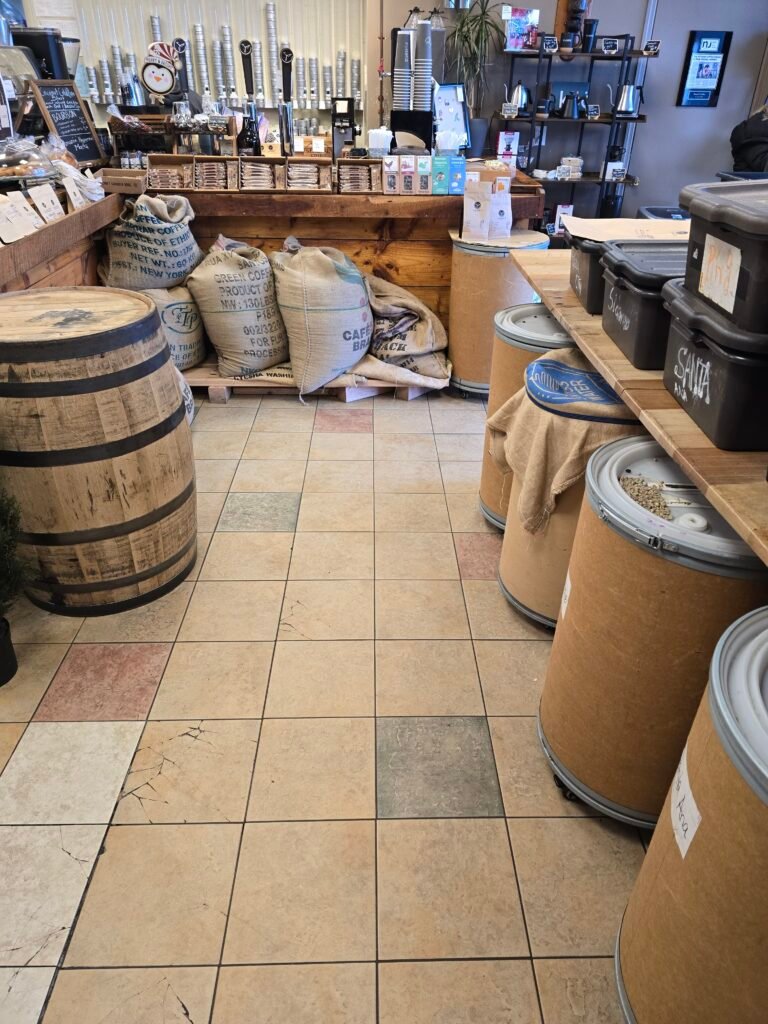
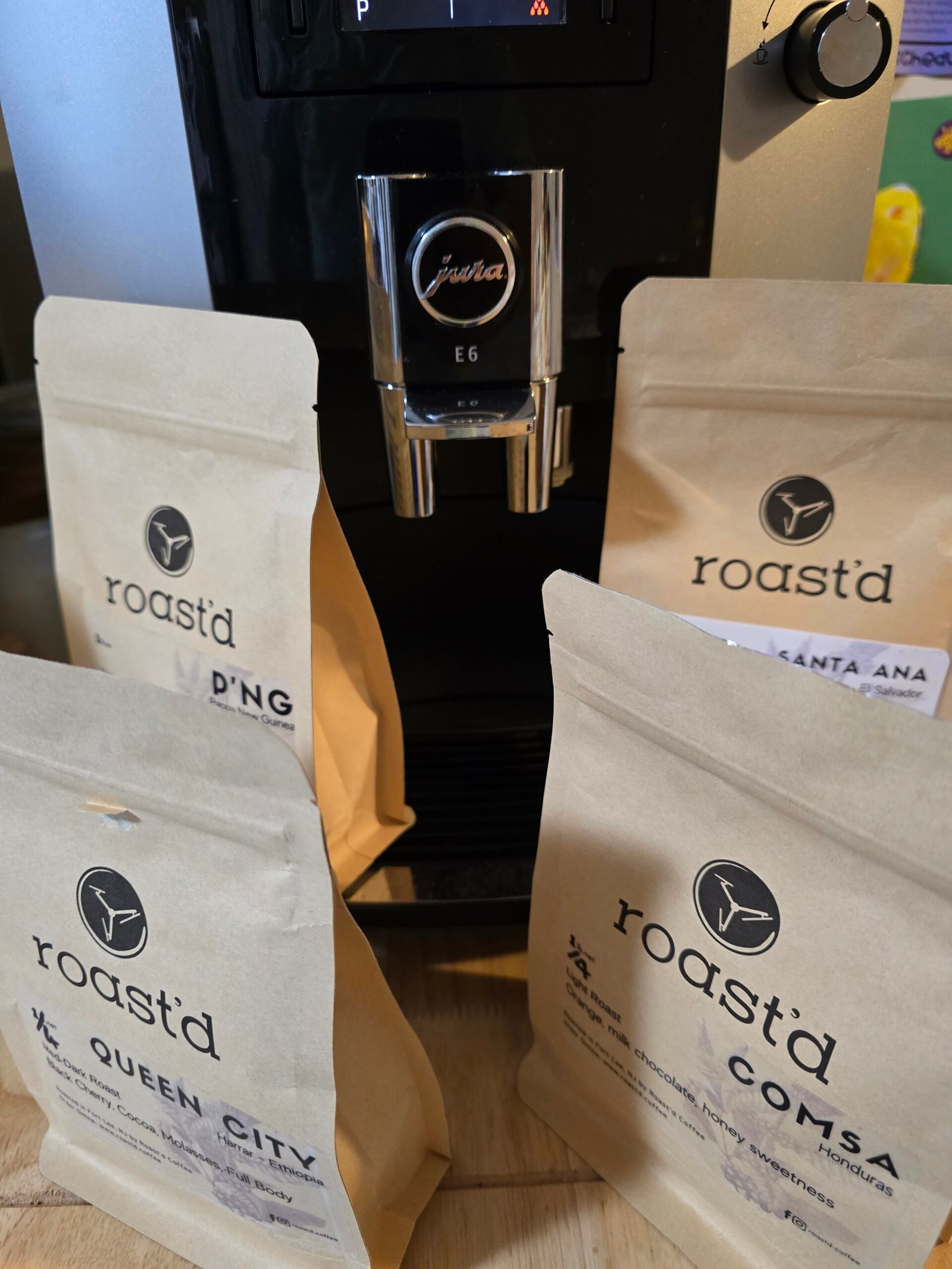
In my last post, I shared my visit to Roast’d Coffee in Fort Lee. I walked away with their Bean Sampler Pack, but the choice of which one to brew first was easy: The Honduras Comsa.
My “Go-To” Experience
To be honest, I have a history with Comsa. It has been my “go-to” bean for a while now. I’ve purchased Comsa beans from several different roasters over the years, and—at least among the roasters I have experienced so far—it rarely disappoints.
Why is it my favorite? Because it strikes a perfect balance. It usually avoids being too acidic or too bitter. It is that one coffee I feel I can trust for consistent quality when I want a comforting, high-quality cup.
Because I have such high trust in this bean, I was curious to see how Roast’d handled it. I tried a pour-over in their shop—which was excellent—but the real test is always how it performs in my own kitchen.
The Bean Profile
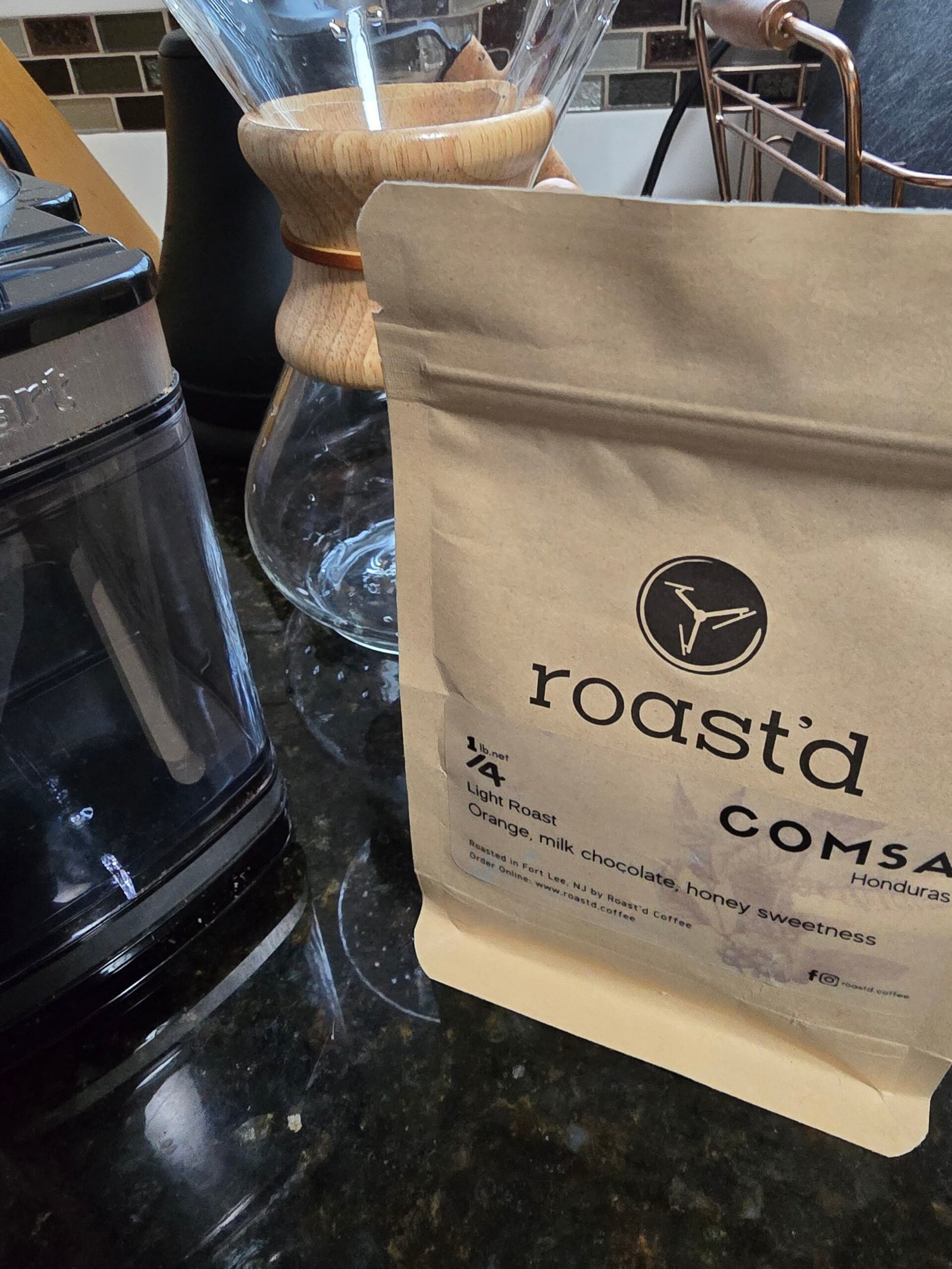
Before we get to the brewing, here is why Comsa is special. It’s not just a generic bean; it comes from the COMSA cooperative (Café Orgánico Marcala) in Honduras, which is famous for its organic farming methods.
- Origin: Marcala, Honduras
- Profile: Known for sweetness (brown sugar/honey), rich chocolate notes, and a balanced acidity.
- The Vibe: It is often described as smooth and creamy, which aligns perfectly with what I look for in a daily drinker.
The Home Brew Test
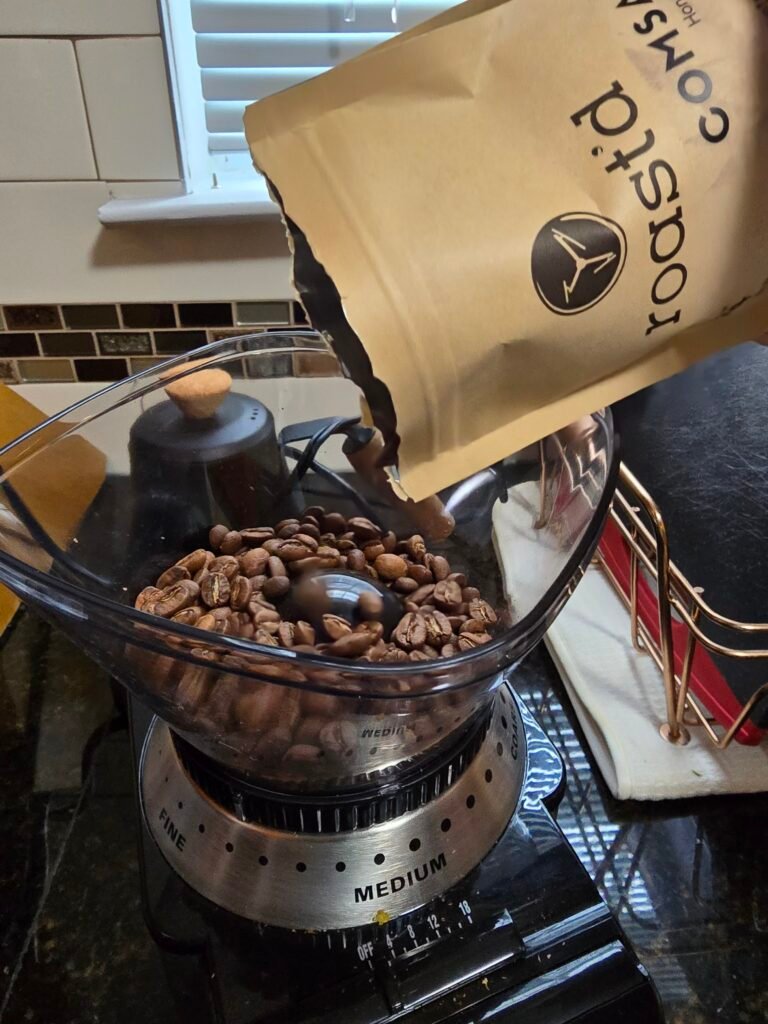
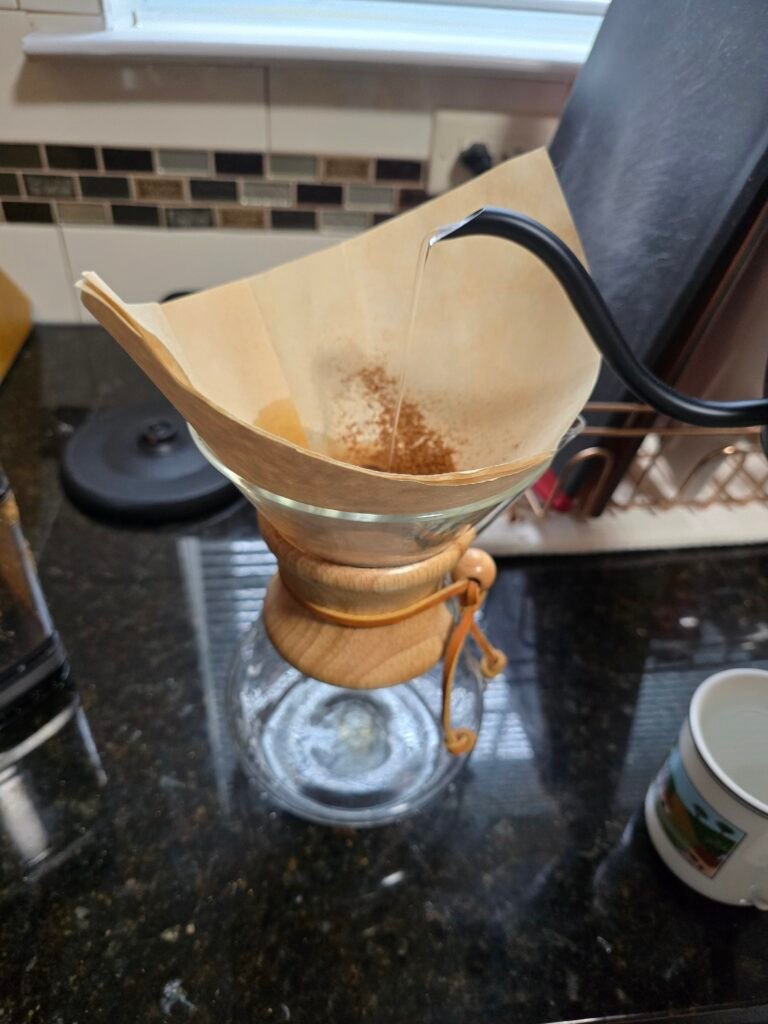
To give this coffee a fair review, I used my standard home setup.
- Grinder: Cuisinart dbm-8
- Brew Method: Chemex (Pour-Over)
My Usual Routine vs. Today’s Test
Usually, Comsa is my dedicated “morning coffee.” I typically brew Comsa beans in my Jura machine because they produce a bold, chocolatey cup that is perfect for waking up.
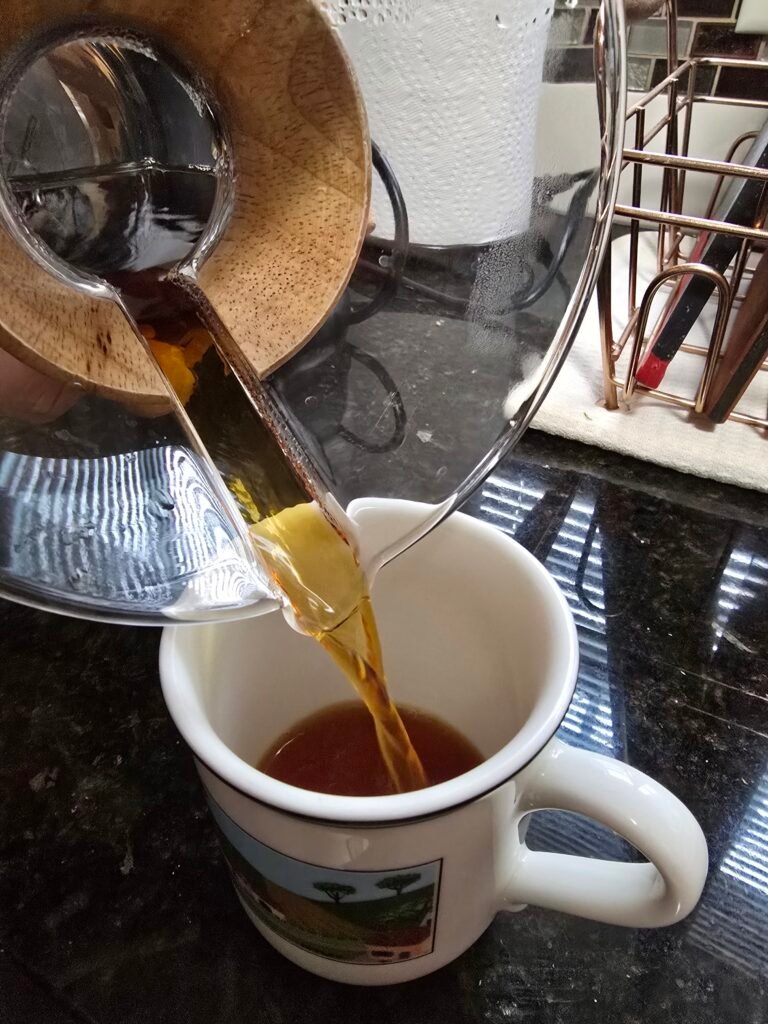
However, to really judge the quality of Roast’d’s version, I wanted to taste the nuance. So, for this review, I skipped the machine and used my Chemex.
I’ll be the first to admit: my manual pour-over skills aren’t perfect yet. I don’t have the robotic precision of the professional baristas at Roast’d. Usually, if you mess up the pouring technique with delicate beans, the coffee punishes you.
This is exactly why I love Comsa, and Roast’d’s version is no exception: It is incredibly forgiving.
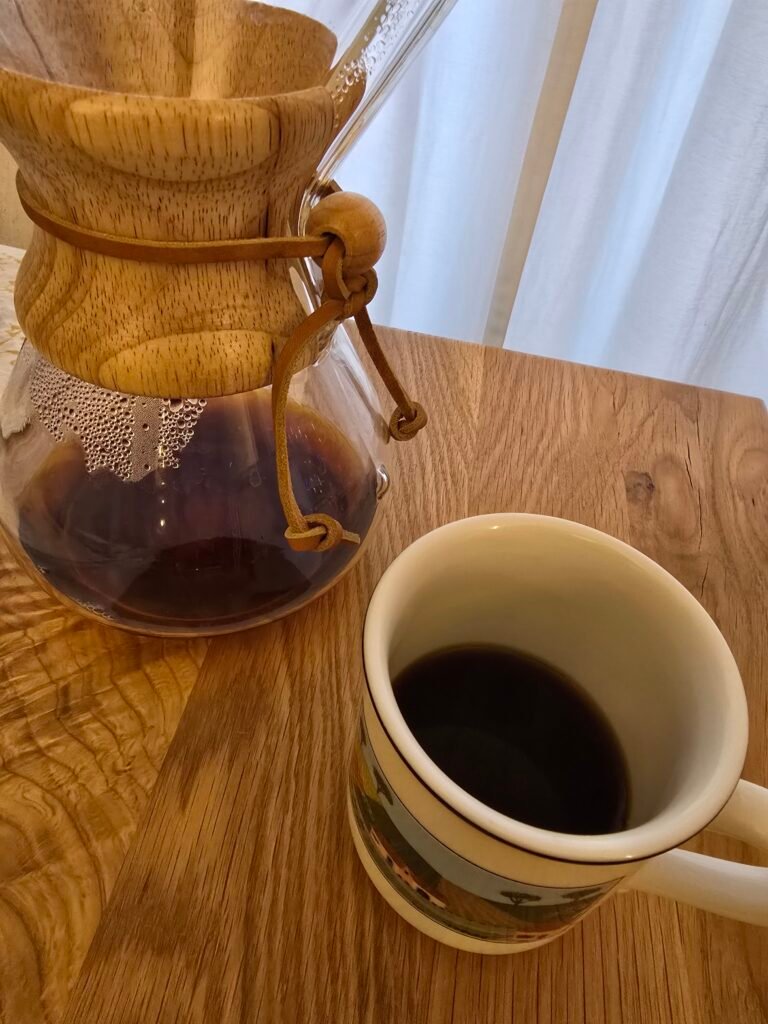
Even with my imperfect pouring skills, the coffee came out fantastic. While my usual Jura brews emphasize the heavy body, the Chemex brought out a totally different side of the bean. The taste was significantly brighter and cleaner. Instead of just dark chocolate, I could taste more of that crisp, citric acidity and a hint of fruitiness that I usually miss when using the automatic machine.
It was the perfect “afternoon cup”—lighter, cleaner, but still very satisfying.
Final Thoughts
Roast’d has done a great job with this bean. They kept the roast profile developed enough to be sweet and familiar, but complex enough to shine in a pour-over.
If you are looking for a bean that is easy to brew and tastes great no matter how you make it, the Honduras Comsa remains the “Old Reliable” for a reason.
What’s Next?
This was just the first stop on my journey through the Roast’d Sampler Pack. I still have three more beans to brew and review:
- P.NG (Papua New Guinea)
- Queen City
- Santa Ana
I’ll be testing these over the next few days (maybe I’ll even pull the Jura out for one of them). Stay tuned to see which one takes the top spot!