Category: Reviews / Coffee Beans
Transparency Note: This post contains affiliate links. As an Amazon Associate, I earn from qualifying purchases at no extra cost to you.
The Reveal
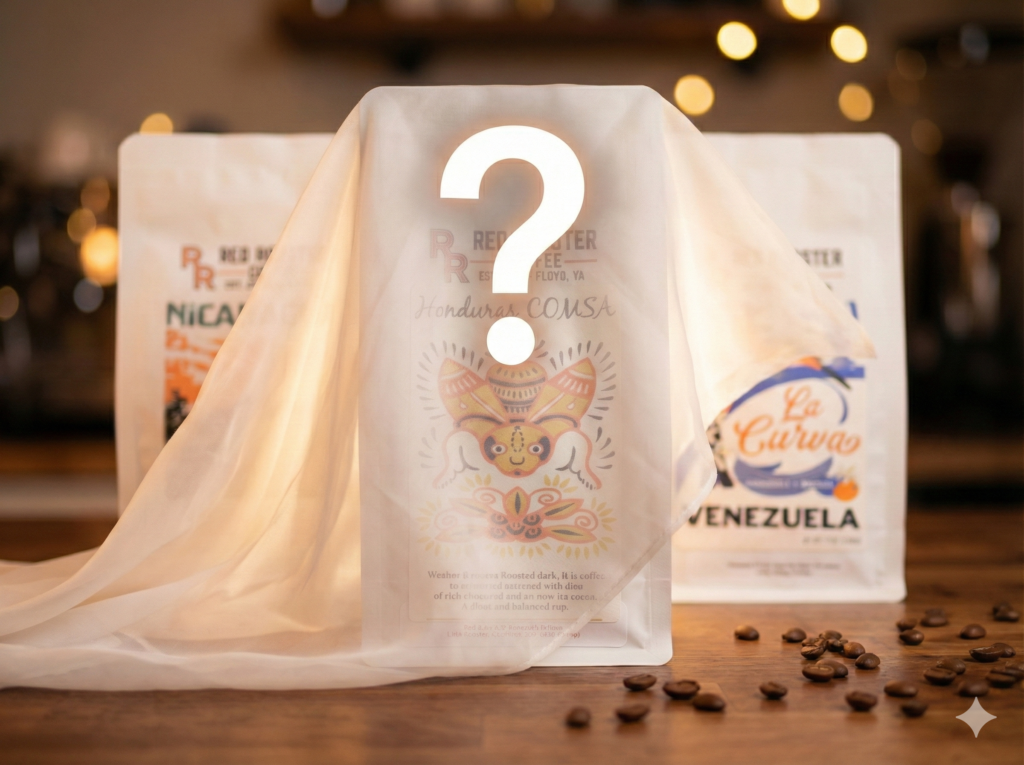
If you have been following my coffee journey here on BeanTheres, you might think you know all the beans I buy. But the truth is, I have been keeping a secret from you. There is a roaster I have been buying from for years, but I have never actually written about them until today: Red Rooster Coffee from Virginia.
To be honest, they are my family’s favorite small-batch roaster. I usually have a high success rate with their beans because I know what to look for, but let’s be real—sometimes you buy a new bag, brew it, and… it’s just wrong. When that happens, you don’t want to force yourself to drink a bad cup every morning.
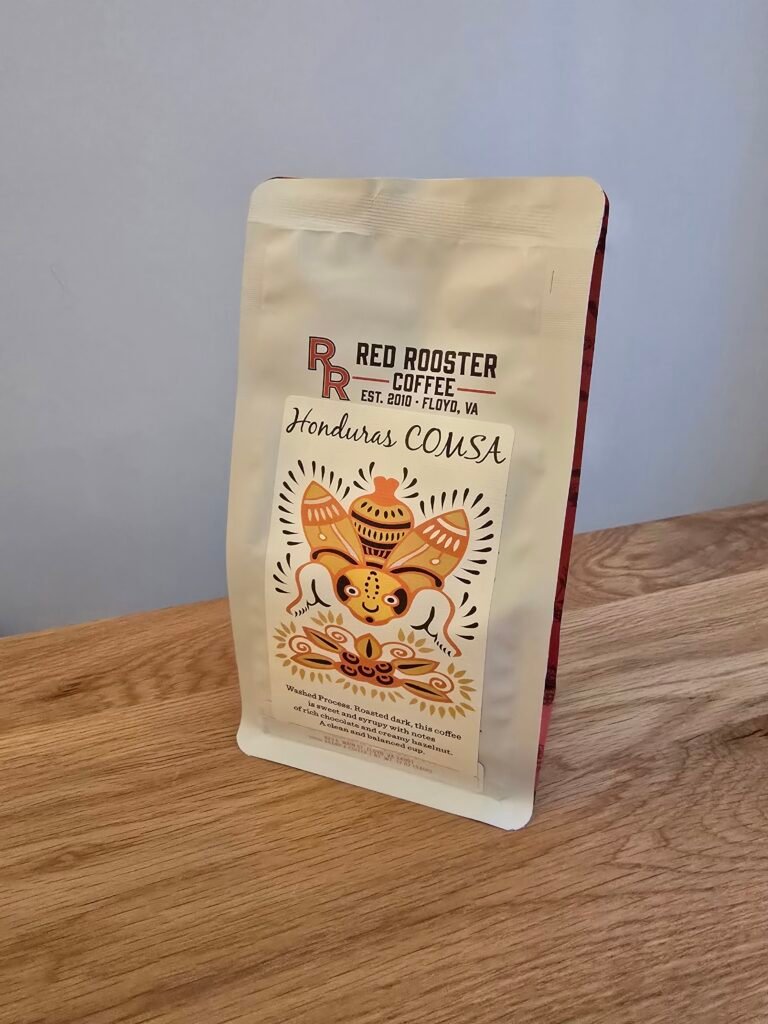
That is why we always keep Red Rooster’s Honduras Comsa Marcala on our shelf. It is our “safety net.” We have been drinking this coffee for a long time, and it never disappoints. It is always “great, great, great!”
The Community Cup
Actually, it’s not just my family anymore. I introduced this Comsa bean to my coffee-loving friends a while ago, and they all fell in love with it, too.
Now, whenever I’m about to place an order, I get texts from them asking to add a couple of bags for their shelves. By combining everyone’s requests, I can place a larger order at once, which helps us all get a better price. It’s become a nice little tradition—knowing my friends are starting their mornings with the same great cup of coffee that I am.
The “Great, Great, Great” Bean
If you’ve been following the blog, you might remember that I posted about a “Comsa” bean before—specifically from Roast’d Coffee. While that was good, I couldn’t skip posting about this version from Red Rooster because it is, hands down, the favorite coffee for my family so far.
This specific coffee is produced by COMSA (Café Orgánico Marcala), but what makes this lot special is that it’s grown by Manos de Mujer, a group of female producers dedicated to organic farming in Marcala. Knowing it supports such a great initiative makes it taste even better.
Values & Brewing (Read the Bag!)
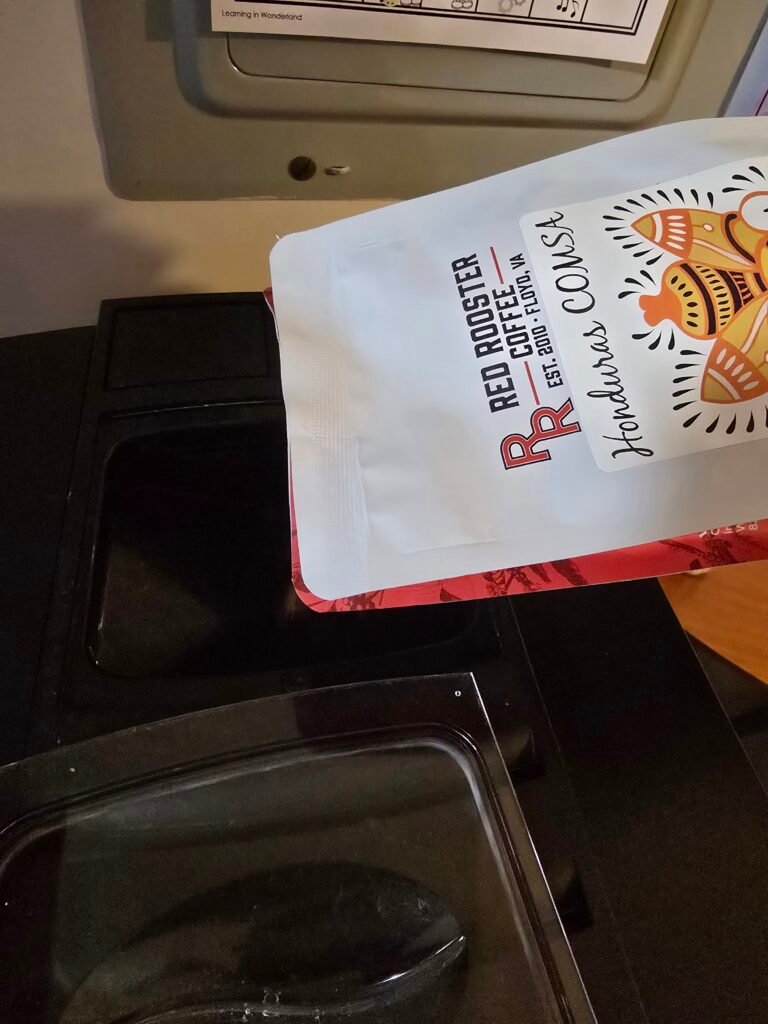
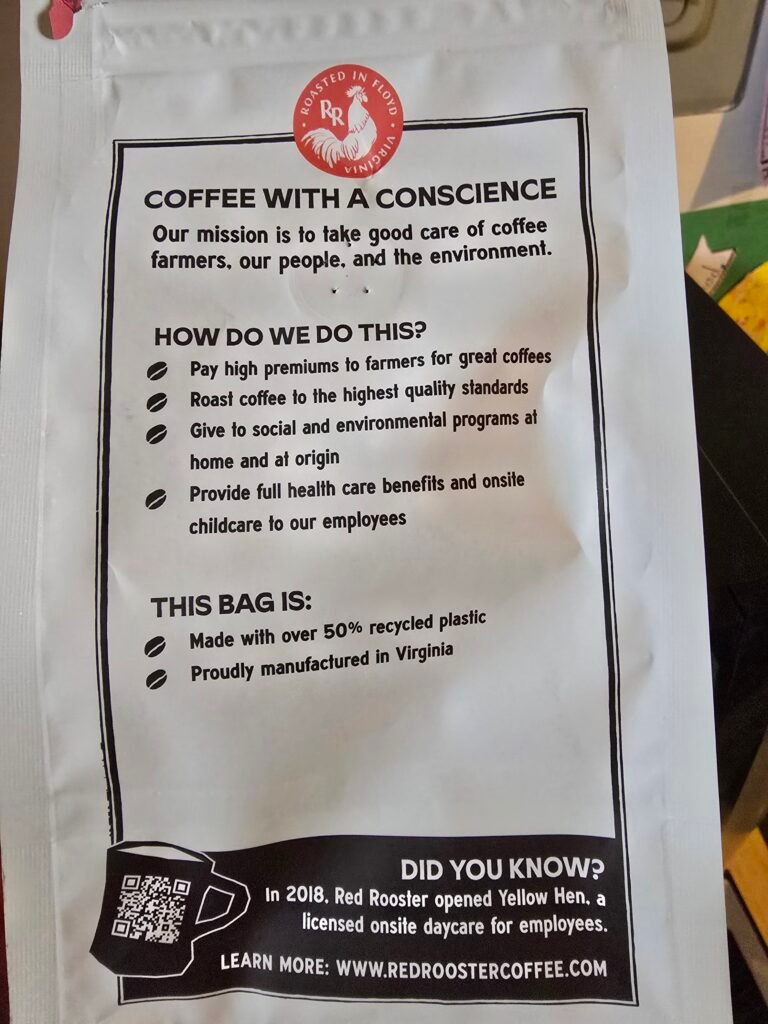
I’m including a photo of the bag below because I really love the message they put on their packaging. It tells the story of their roastery in Floyd, Virginia, and their philosophy on coffee. You can really tell that they care about transparency and where their beans come from—it’s not just about selling a product, it’s about the values behind it.
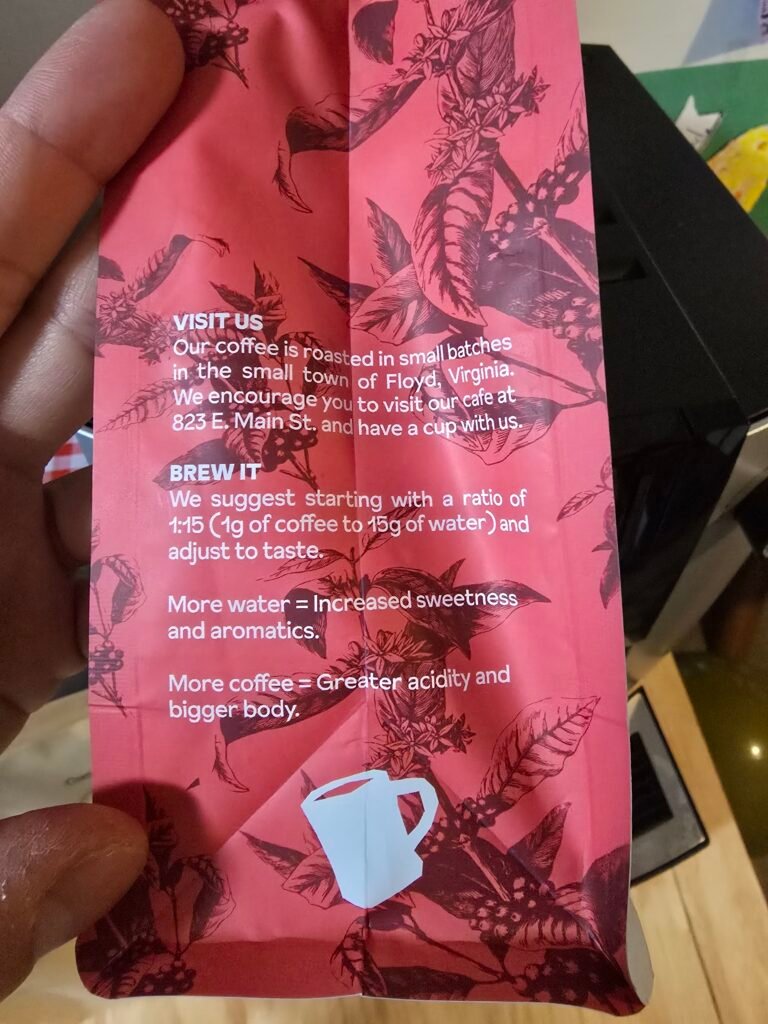
If you look at the side of the bag, Red Rooster actually provides their own recommended brewing directions. It is a great guide if you are trying this bean for the first time.
Why We Stick to the Jura
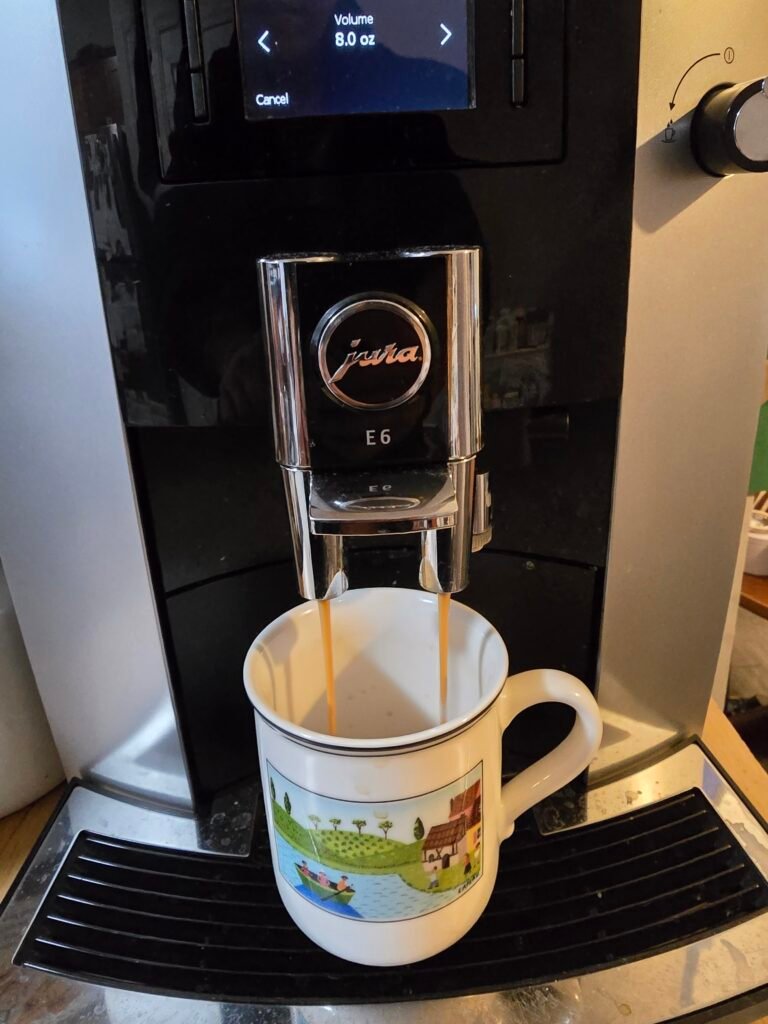
However, because we have bought this bean for so long, we have our own routine down perfectly: we brew it in our Jura E6. It just works. The machine brings out all those rich, chocolatey, hazelnut notes that make this coffee so comforting.
Recently, since I’ve been using my Chemex more often for other single-origin beans, I decided to give the Comsa a try with a pour-over method. I was curious if it would taste different.
The verdict? It was good… but not as great as the Jura. The Chemex is amazing for many coffees, but for this specific bean, nothing beats the way the Jura brews it. We went right back to our usual method immediately.
The Haul
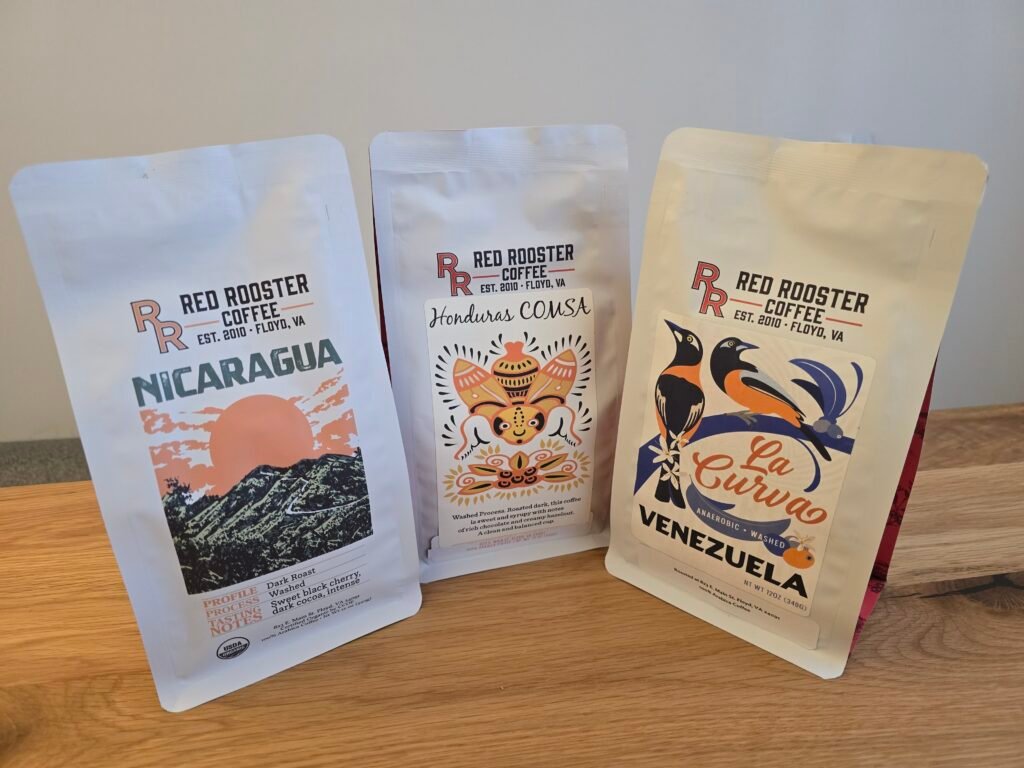
This time, along with our restock of Comsa, I ordered two other bags to try:
- Venezuela La Curva
- Nicaragua Dark Roast
I haven’t opened the Nicaragua or Venezuela yet, so I will write a separate post about those later. For now, I am just happy to have our “safety net” back on the shelf.
One day, I am definitely going to visit their roastery in Virginia in person. But until then, I’m glad I can bring a little bit of their magic into my kitchen (and my friends’ kitchens) every morning.